Eva Atlas
A life in motion · Saigon · And beyond
 Add cover photo
Food & Drinks
→ Add cover photo
Places
→ Add cover photo
Lifestyle
→ Add cover photo
Entertainment
→ Add cover photo
Sports
→ Add cover photo
Journal
→

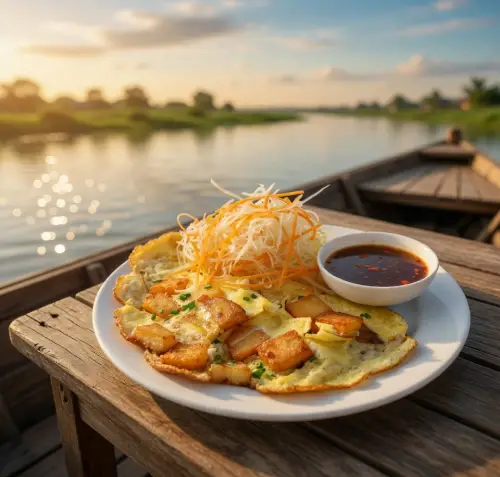
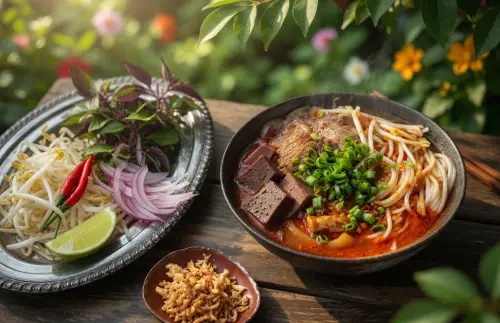
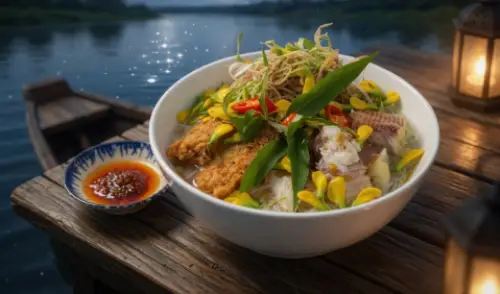
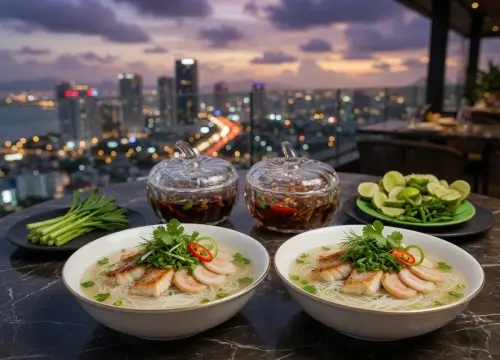
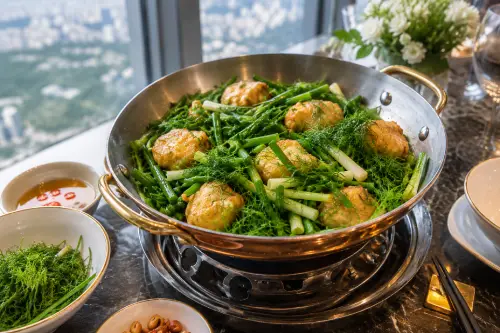
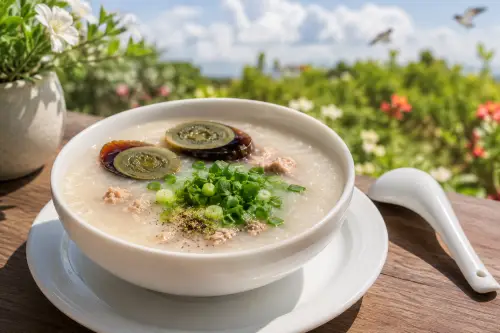
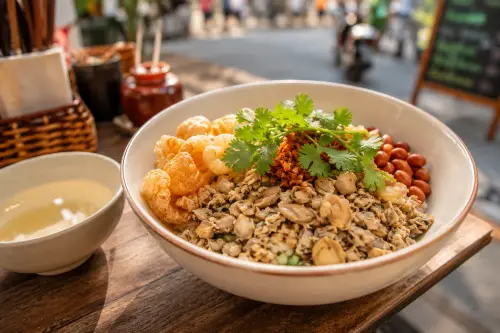
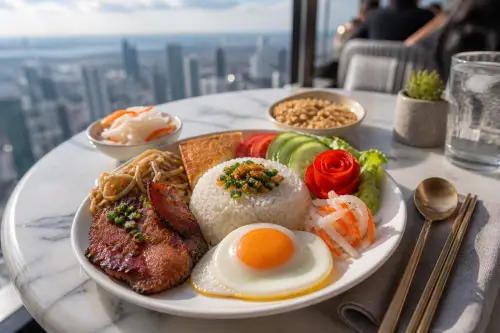
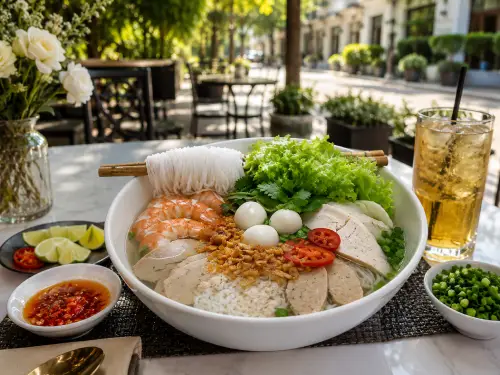
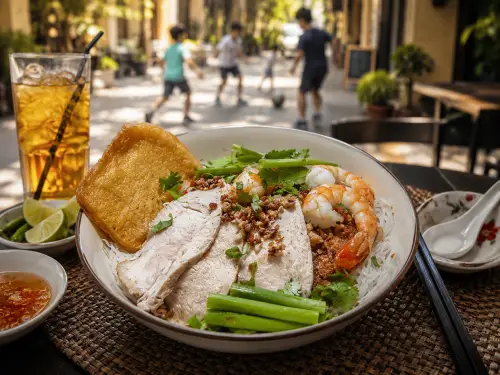
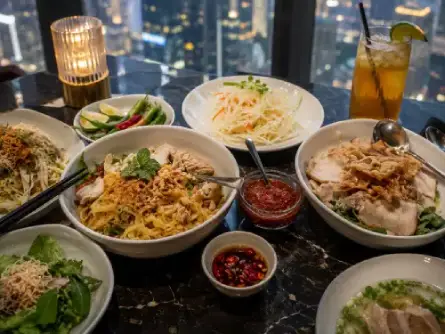
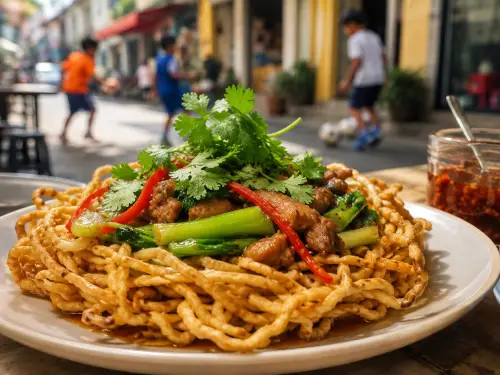




F&B Insights
Honest takes on Saigon's food and drink scene — what's worth knowing, what's worth eating.
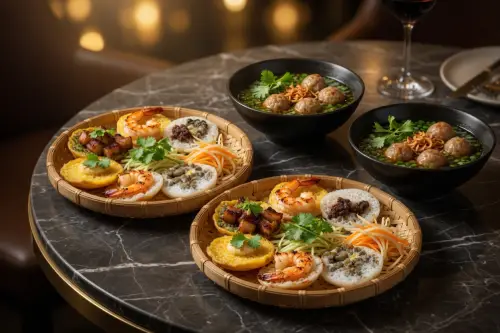
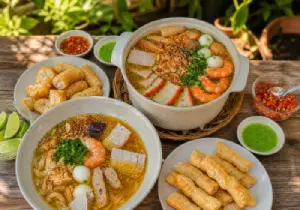
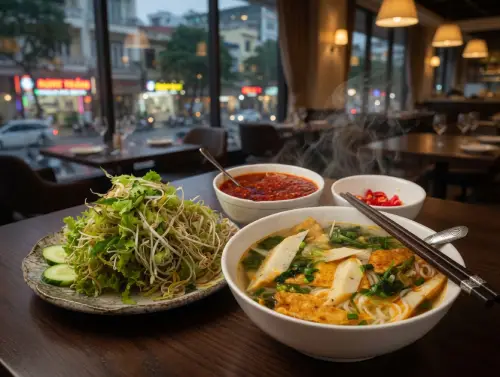
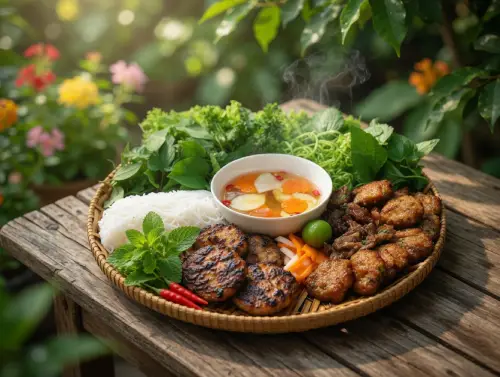
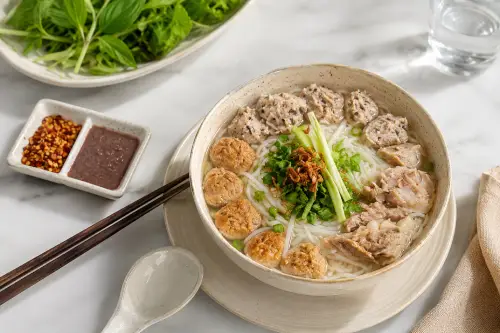
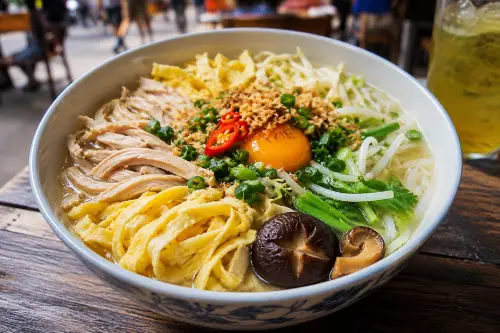
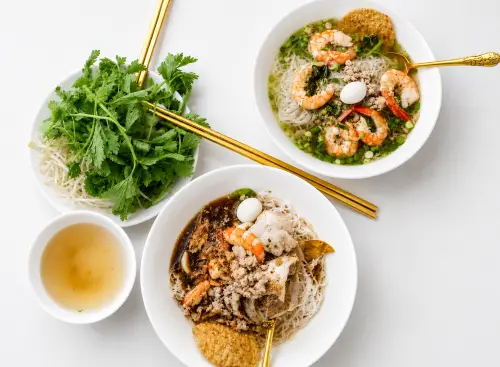
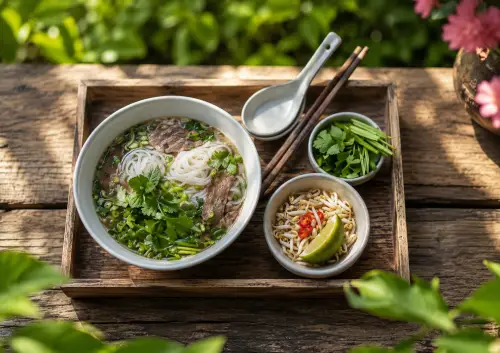
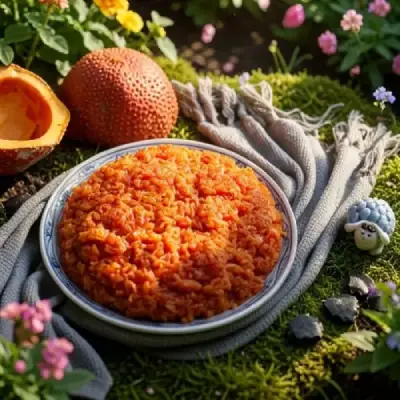
In Vietnam, phở is not a fixed recipe. It is a regional expression shaped by climate, migration, and taste — and nowhere is that more visible than in Saigon, where Northern technique is continuously reinterpreted rather than preserved intact.
The Northern Baseline: Clarity and Control
Phở Bắc is defined by restraint. The broth is clear, lightly aromatic, carefully skimmed. Sweetness is minimal. Garnishes stay limited — scallions, chili, lime — so nothing competes with the structure of the broth. Flavor is built through discipline, not volume.
In Saigon, this philosophy survives in select kitchens. Phở Hương Bình, now recognized by the Michelin Guide, maintains a concentrated and balanced broth with genuine Northern logic. Phở Phú Vương is quieter — local, consistent, and uninterested in trend. Certain branches of Phở Thìn follow suit, though execution varies.
The Southern Expansion: Depth and Adaptability
Southern phở prioritizes fullness. The broth carries more body, a subtle sweetness from longer simmering, and a looser structure overall. Garnishes expand dramatically — bean sprouts, Thai basil, sawtooth herb, hoisin, chili sauce — because here, the diner finishes the dish, not the kitchen.
Phở Hòa Pasteur is the benchmark: Southern in character, consistent at scale, and genuinely accessible. Phở Việt Nam translates the bowl into a cleaner, more globally legible format. Phở Hùng calibrates for broader palates, including international ones. In these bowls, phở becomes flexible — less about preservation, more about usability.
Phở Gà as a Lens
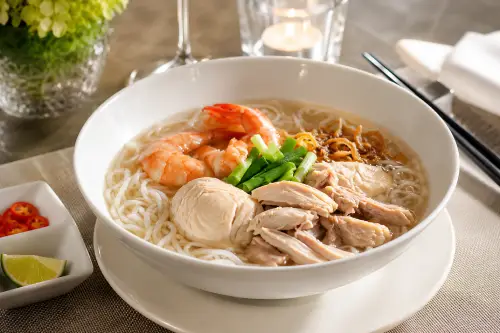
Chicken phở reveals technique more directly because the base is lighter and forgives less. In Saigon, the North–South divide holds. Phở Gà Kỳ Đồng runs aromatic and slightly richer, with fried shallots adding texture. Phở Gà Sơn Nga sits between clarity and Southern sweetness — accessible without being flat. Phở Dậu is more local, less commercial, closer in spirit to traditional structure. Even within phở gà, the city resists uniformity.
Generational Layers
Saigon's phở landscape is no longer just regional — it is generational. Legacy institutions like Phở Hương Bình and Phở Hòa Pasteur anchor historical continuity. Local mainstays like Phở Phú Vương serve habitual, everyday dining without spectacle. New-generation brands like Phở Việt Nam optimize for design, scalability, and international appeal. Names like Nhất Vị and certain iterations of Phở Thìn remain present but occupy a less central position in the current hierarchy.
Reading the Bowl
The difference between Northern and Southern phở comes down to consistent signals across four dimensions. The broth: clear and controlled in the North, fuller and subtly sweet in the South. The garnish: minimal in the North, abundant and customizable in the South. The experience: standardized in the North, flexible and user-driven in the South. The intent: preservation in the North, adaptation in the South.
A Living Language
Phở does not resolve into a single correct form. It operates as a regional language — structured in the North, expanded in the South. In Saigon, that language becomes plural. Tradition is not replaced; it is absorbed and re-expressed. The result is not a departure from origin but an ongoing evolution shaped by the city itself.
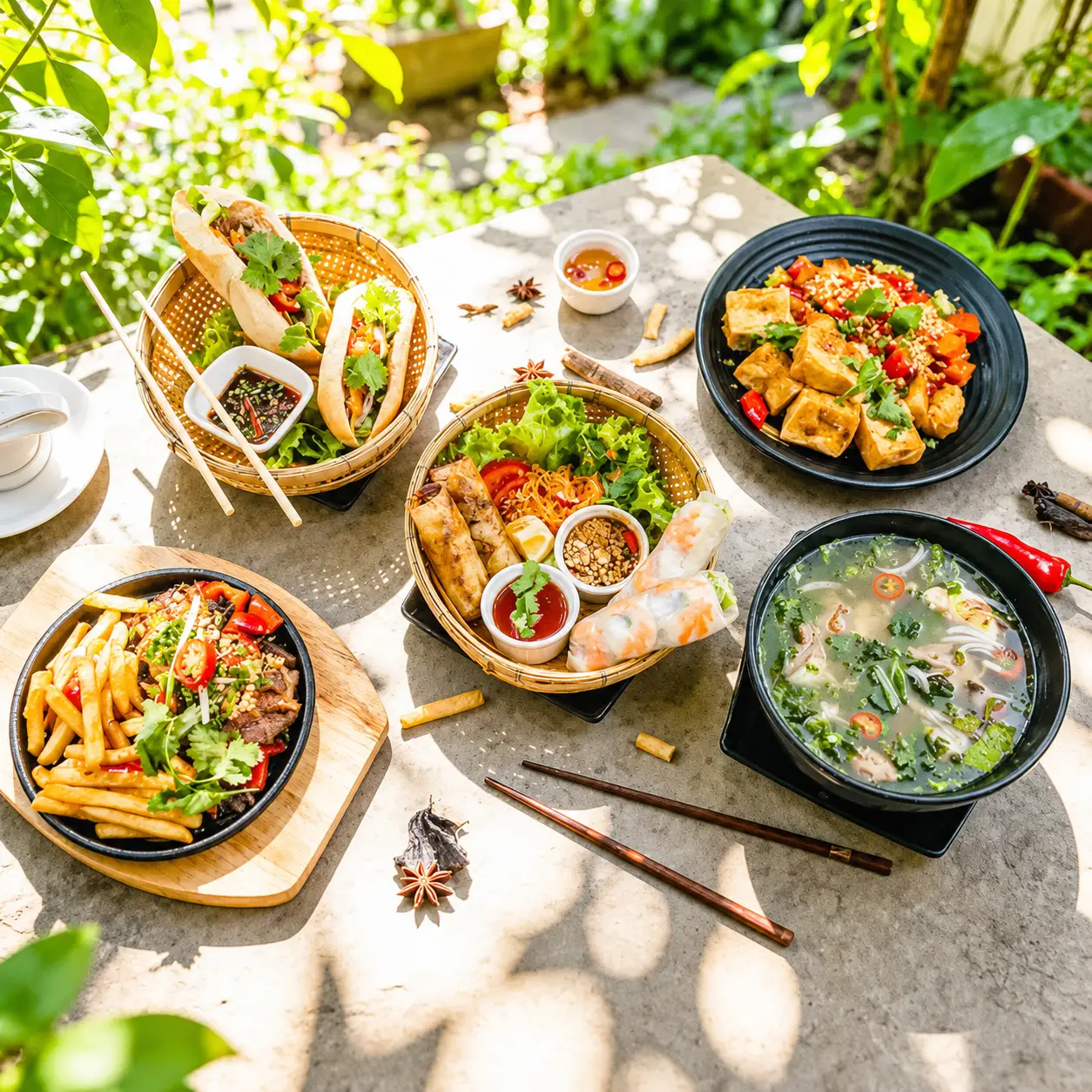
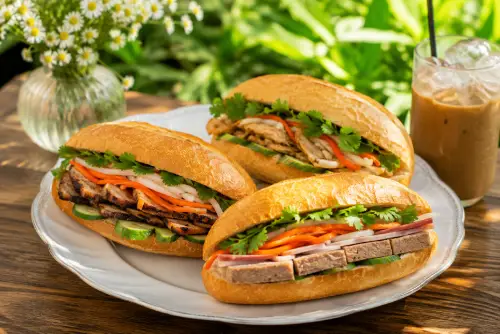
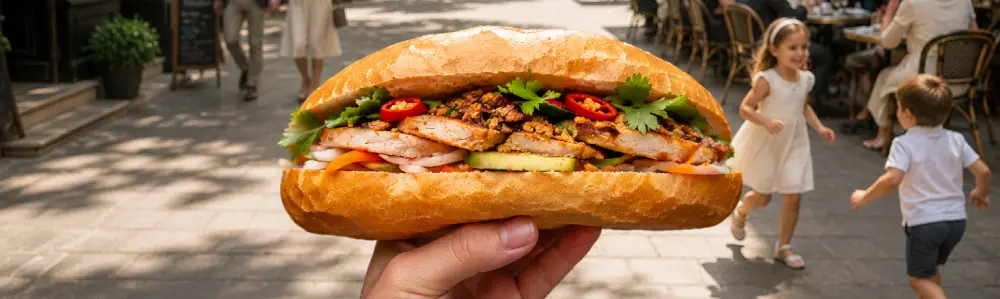
Bánh mì, Vietnam's street food legend, fuses crusty French baguette with zingy local fillings for unbeatable crunch, freshness, and value that captivates locals and travelers alike.
Bánh Mì Bì at Ngọc Xuyến
Shredded pork skin (bì) tossed with toasted rice powder brings chewy nuttiness plus pork slices, pickles, herbs, and fish sauce. Ngọc Xuyến delivers aromatic balance and thick crusts — a Saigon ritual.
Bánh Mì Xá Xíu at Vân Anh
Glossy Cantonese roasted pork (xá xíu) shines sweet-savory with pâté, herbs, and tangy pickles. Vân Anh's juicy classic hits at budget prices.
Bánh Mì Thịt Classics
Mixed cold cuts, handmade pâté, and ham define Saigon's soul at Bảy Hổ, Huỳnh Hoa, Hồng Hoa — creamy, nostalgic perfection.
Bánh Mì Gà Rim Xé at Ngọc Sáng & Chim Chạy
Notoriously famous since the 70s, Bánh mì Ngọc Sáng takes top spot for the ultimate classic bánh mì gà xé — braised-shredded chicken in caramelized savory-sweet sauce, delivering unmatched moist depth and flavor, enhanced by signature mayo. Chim Chạy holds strong as a top contender too.
Bánh Mì Chà Bông
Fluffy pork floss with butter and mayo creates airy, sweet snackability — a favourite for those who want something lighter and softer.
Bánh Mì Ốp La
Runny eggs with soy, Maggi, and pâté or sausage ooze rich comfort into crisp bread. One of the great Saigon breakfast moves.
Bánh Mì Omelet
Fluffy, fish sauce-pepper-scallion omelet provides herby, drip-free portability — ideal street breakfast on the go.
Bánh Mì Chay (Veggie Options)
Pan-fried tempeh (nutty), crispy tofu (soy-crunch), and mushroom-mayo (creamy umami) thrive at Bánh Mì Xanh and Quán Chay Sala — inclusive plant power that holds its own against the meat versions.
Bánh Mì Cá Mòi
Spicy tomato sardines contrast saucily with baguette snap — an underrated classic that punches well above its price point.
Bánh Mì Xíu Mại at Ín Măm
Warm meatballs in tomato sauce beg for dipping. Ín Măm's hearty icon is one of the most satisfying bánh mì experiences in the city.
Bánh Mì Pâté
Thick liver pâté unleashes pure savoriness — minimalist intensity for those who know what they want.
Bánh Mì Chả Cá at Bùi Thị Xuân
Turmeric fish cakes deliver hot, fragrant herbality. A distinctive option that sets itself apart from the pork-dominant lineup.
Bánh Mì Heo Quay at Ín Măm
Crispy pork belly crackling meets juicy fat, balanced by pickles. The textural contrast here is what makes it special.
Bánh Mì Thịt Nướng at Chim Chạy
Smoky charcoal-grilled pork with sweet herbs — street royalty. One of those combinations that makes bánh mì feel genuinely elevated.
Bánh Mì Bò at Bảy Hổ or Trần Cao Vân
Hot stir-fried beef and onions in glossy sauce adds tender variety to the lineup — a heartier, more substantial option.
Bánh Mì Nem Nướng at Bà Huynh
Sweet-smoky grilled sausage from this 40-year legend. The kind of place where the recipe hasn't changed because it doesn't need to.
Bánh Mì Chảo at Hòa Mã or Đặng Trần Côn
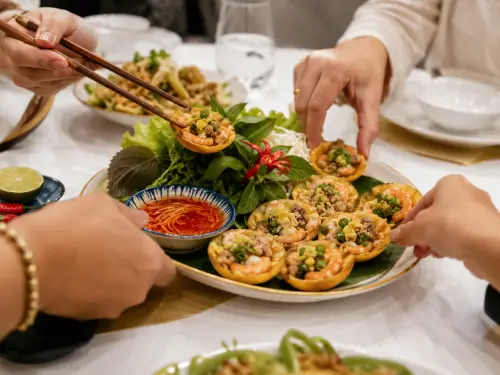
Bánh mì chảo skips the stuffing for an interactive skillet feast: a hot mini-pan sizzles with fried eggs (often runny ốp la style), creamy pâté, sausage or cold cuts, sometimes beef or stir-fried bits, and a tangy tomato-onion sauce, all topped with herbs or cheese. You tear fresh baguette chunks to dip and scoop, soaking up every rich, savory drop — messy, communal, and deeply satisfying as Saigon's upgraded breakfast ritual. At Hòa Mã or Đặng Trần Côn, expect bold handmade pâté and early-morning crowds for that nostalgic crunch-sauce bliss.
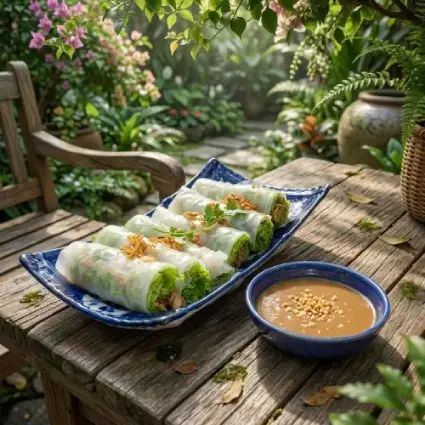
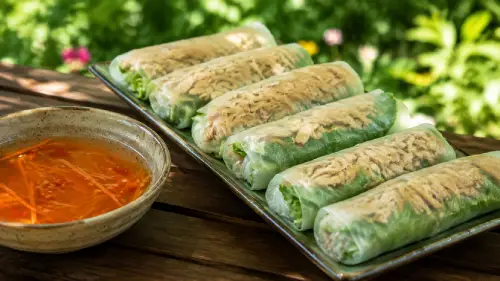
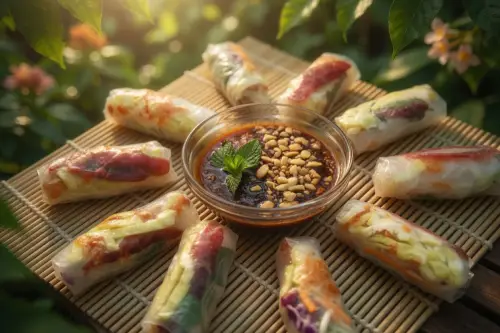
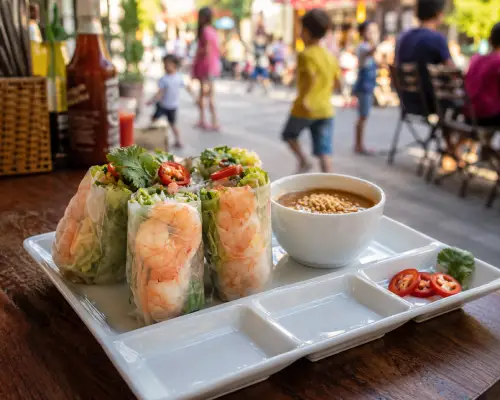
Vietnam's fresh spring rolls (bánh tráng cuốn) are light, herb-packed delights that capture the country's approach to food in a single bite: balance, contrasting textures, and bright flavors in a wrapper you can see through. Three varieties anchor the tradition — each with its own filling logic, dipping sauce, and regional personality.
Gỏi Cuốn — The Classic
The best-known Vietnamese fresh spring roll: poached shrimp, thinly sliced pork, rice vermicelli, crisp lettuce, mint, and cilantro, rolled tightly in translucent rice paper. Refreshing, protein-rich, and built for dipping — either peanut-hoisin or tangy nước chấm. A nationwide favorite and the standard entry point for anyone new to Vietnamese food.
Bì Cuốn — Crunchy Pork Skin Rolls
A Southern specialty popular in Saigon. Bì cuốn swaps the shrimp for shredded cooked pork skin (bì), which delivers a signature chewy-gelatinous texture that sets it apart from gỏi cuốn. Combined with sliced pork, vermicelli, and plenty of herbs, the filling is bolder and more textural. Often dipped in fish sauce or peanut sauce. This one is harder to find outside the South — which makes it worth seeking out while you're here.
Bò Bía — Sweet-Savory Street Favorite
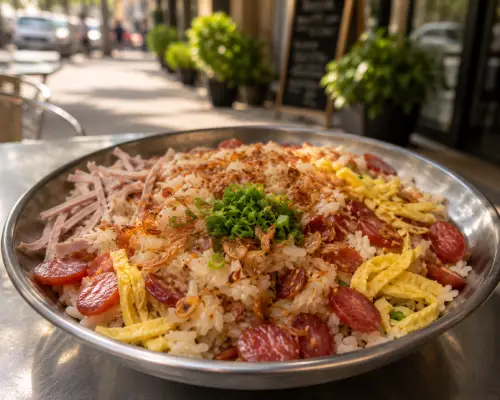
Bò bía has Chinese-Fujian roots and it shows: jicama, carrot, Chinese sausage, dried shrimp, and fried egg strips. No vermicelli. Wrapped with lettuce and Thai basil, dipped in thick black bean sauce topped with crushed peanuts. Street vendors in Saigon cook the fillings fresh on carts — warm filling, cool herbs, crunch from the peanuts, sweetness from the sausage all hitting at once.
Regional Variations
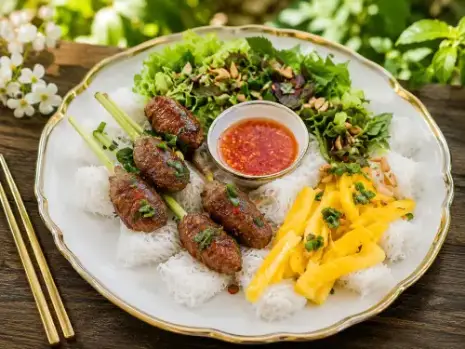
Bánh Tráng Cuốn Thịt Heo (Da Nang): grilled pork, vermicelli, pickled vegetables, and herbs. Nem Lủi / Nem Nướng Cuốn (Huế and Ninh Hòa): grilled pork skewers wrapped with fresh herbs, sometimes mango or star fruit. Chạo Tôm Cuốn: sugarcane shrimp paste — natural sweetness, satisfying chew. Phở Cuốn (Hanoi): soft phở noodle sheets wrapped around grilled beef and herbs — same concept, different texture entirely.
Quick Comparison
| Roll | Key Fillings | Sauce | Region |
|---|---|---|---|
| Gỏi Cuốn | Shrimp, pork, herbs | Peanut or nước chấm | Nationwide |
| Bì Cuốn | Pork skin, pork, herbs | Peanut / fish sauce | Southern |
| Bò Bía | Jicama, sausage, egg | Black bean + peanuts | Saigon streets |
Vegetarian versions are easy to adapt — skip the meat, double the herbs and jicama.
Chả giò — also widely known as nem rán in the North — is one of Vietnam's most beloved appetizers. Golden, crispy fried rolls filled with a savory mixture of ground pork, shrimp, wood ear mushrooms, glass noodles, carrots, and aromatic herbs, wrapped in delicate rice paper (bánh tráng) and deep-fried until they shatter at the first bite.
Why It Works
The contrast is the whole point. Hot, crackling chả giò against cool, crunchy lettuce and fragrant mint, Thai basil, and cilantro — then dipped into nước mắm, Vietnam's fish sauce-based dipping sauce balanced with lime, sugar, garlic, and chili. Sweet, salty, sour, spicy, and umami all at once, cutting clean through the richness of the fried roll. Eating chả giò without wrapping it in lettuce and dipping it in nước mắm is technically possible but misses the entire point.
How to Eat It
Take a lettuce leaf, lay the hot chả giò on it, add a handful of mint, Thai basil, and cilantro, a few cucumber slices, roll it loosely, and dip the whole thing into nước mắm. The wrapper softens slightly from the heat, the herbs stay cool, and the sauce ties everything together. Many Vietnamese families serve chả giò as a starter or alongside bún (rice vermicelli), where the roll is sliced and laid over the noodles with herbs and sauce poured over — a satisfying main dish in its own right.
Against Other Asian Fried Rolls
Similar dishes exist across Asia — Filipino lumpia, Thai fried spring rolls, Chinese spring rolls. The Vietnamese version stands out for its rice paper wrapper, which fries thinner and crispier than wheat-based alternatives, and the insistence on nước mắm as the dipping sauce rather than sweet chili or soy. The sauce isn't optional garnish; it's the other half of the dish.
Best eaten immediately — the moment it's out of the oil, before the crunch has any chance to soften.
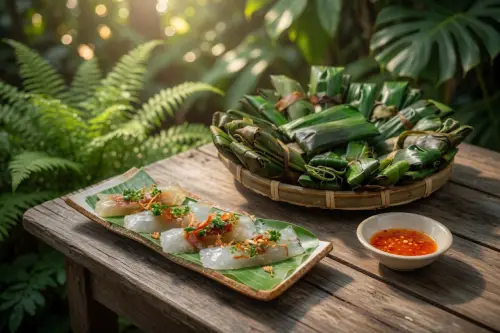
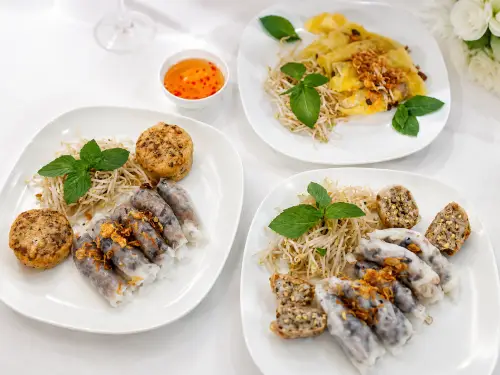
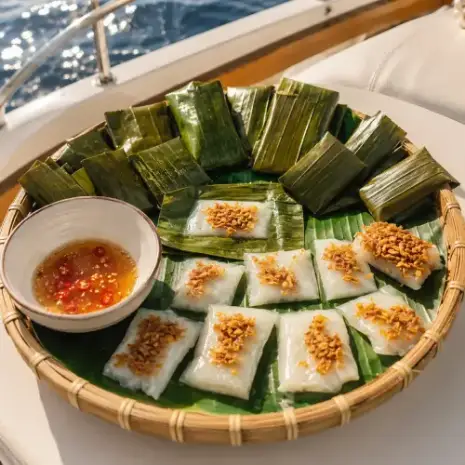
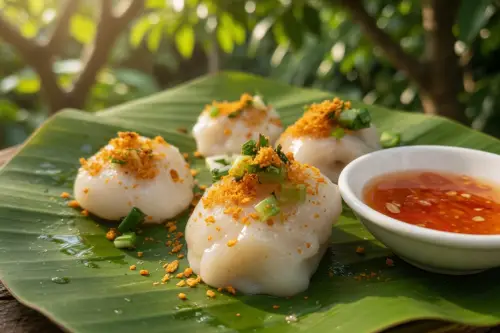
Steamed rice rolls (bánh cuốn) are one of Vietnam's oldest breakfast dishes — thin, fermented rice sheets steamed over cloth, rolled around a filling, and eaten fresh while still warm. The sheet is the skill. So thin it tears if you rush it. So delicate it barely holds its shape on the plate. Getting it right takes years.
The Regions
Hanoi serves them nearly transparent, filled with seasoned minced pork and wood-ear mushroom, topped with fried shallots and chả lụa. The dipping sauce is nước chấm, sometimes laced with cà cuống — a rare water bug extract with a faint cinnamon note that is harder to find every year.
Cao Bằng skips the dipping sauce entirely, replacing it with sweet bone broth poured directly into the bowl.
Hà Nam serves the rolls cold alongside charcoal-grilled pork belly and warm dipping sauce — a combination that shouldn't work as well as it does.
Nghe An and Hà Tĩnh strip it back to bare rice sheet — no filling at all. Called bánh mướt here, eaten alongside eel soup instead.
Huế makes them miniature and dense, shaped in small molds with a sweet-savory contrast that sets them apart from every northern version.
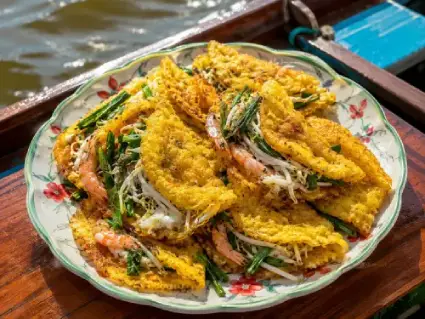
Saigon adds an egg — folded into the batter or left runny inside the roll. There's also a pandan version, green and fragrant from lá dứa extract, that feels like its own dish entirely. The Chinese-Vietnamese community brought char siu and whole shrimp into the filling, echoing dim sum's cheung fun — same sheet, different sauce, different century.
Bánh ướt — the unfilled cousin found across the country — deserves a mention too: same rice sheet, no stuffing, dressed simply with herbs, chả, and fried shallots.
Where to Eat It in Saigon
Bánh Cuốn Hải Nam — 11A Cao Thắng, District 3. Saigon's most consistent benchmark. The filling combines ground shrimp, pork, and mushroom — a richer, distinctly southern take. Open from 7:30AM, always packed with locals.
Bánh Cuốn Tây Hồ — 127 Đinh Tiên Hoàng, District 1. Been pouring batter by hand onto hot cloth since 1964. The menu covers classic pork and mushroom, shrimp, and a vegetarian version with mung beans, lotus seeds, and carrots. One of the last places in Saigon where the craft still feels personal.
Hồng Hạnh — 17A Nguyễn Thị Minh Khai, District 1. The widest range of fillings in one spot — classic, egg with runny yolk, pork floss, and mixed. The egg version here is the one to order: soft yolk cut open at the table, chili fish sauce poured over, eaten immediately.
Worth knowing: bánh cuốn lá dứa (pandan steamed rice rolls) appears on menus across Saigon rather than at one fixed address — keep an eye out for it when ordering. The green color and herbal fragrance make it easy to spot.
The Dim Sum Note
Cheung fun — the Cantonese rice roll served on dim sum trolleys — is bánh cuốn's closest cousin. Thicker sheet, sweet soy sauce instead of fish sauce, fillings like whole shrimp, char siu, or beef. The two dishes share the same fundamental technique; what separates them is everything that came after.
Shop
Independent labels, concept stores, and ateliers worth knowing.





- DMDSTUDIOSContemporary · Tailored@dmdstudios
- NOI SpaceMulti-brand · Concept@noi__space
- Shop Must HaveMulti-brandmusthave.vn
- Routine Lê LợiMinimal Basicsroutine.vn
- LANE JTHigh-end · Structuredlanejt.com
- CosetteCasual Chiccosette.vn
- Miurey TokyoJapanese-inspiredmiureytokyo.com
- DaspaceMulti-brand · Trendy@daspacesgn
- DottieYouthful · Pasteldottie.vn
- Chicka ChickaBoutique · Femininechickachicka.net
- 42 Tôn Thất ThiệpShopping Hub · Local Brands@instagram
- Nowzone MallShopping Mallnowzone.vn
- Central MarketUnderground Shoppingcentralmarket.com.vn
- AnyShapeMinimalist · Officeanyshape.store
- Nosbyn StudioClean Lines · Minimalnosbyn-studio.com
- LesgerElevated Basicslegervn.com
- Lyla TranFeminine · Silklylatran.com
- JosephineElegant · Muse-inspiredjosephineofficial.com
- Dvrk ClothingStreetwear · Knitsdvrk.vn
- Duc StudioEdgy · Tattoo Printsducstudio-official.com
- The Idiot OfficialGender-neutral · Avant-gardetheidiott.com
- THE SOULNatural Tones · Refinedthesoulbasic.com
- HuelleyroseBespoke · Eleganthuelleyrose.vn
- Dear JoséModern Romanticdearjose.com
- The MavenHand-crafted · Tailoredthemavensaigon.com
- La SolEffortless · Signaturelasol.vn
- MyanResort · Linenmyanbychl.vn
- WalentyOffice Chic · Blazerswalenty.vn
- LàMin ApparelMinimal · Activelaminapparel.com
- LibéBasic · Essentiallibeworkshop.com
- She by ShiAesthetic · Feminineshebyshj.com
- MauveElegant · Delicatemauve.vn
- LEN ClothingFeminine · Popularlincloset.vn
- Lamor StudiWomenswear · Soft Silhouettes@lamorstudi
- Nguyễn Phúc TuấnArchitectural · Tailored@nguyenphuctuan
- ÉlaneMinimalist · Timeless@elane
- ThytalierMade-to-measure · Feminine@thytalier
- LaviemRomantic · Occasion Wearlaviem.vn
- LigamBold · Statement Silhouettes@ligam
- Kisserine HousePlayful · Colorful@kisserine
- Bunnyhill ConceptLifestyle · Concept Store@bunnyhillconcept
- The WedooksStreetwear · Graphic@thewedooks
- Whose StudioAvant-garde · Deconstructed@whose.studio
- RubiesFeminine · Occasion Wearrubies.vn
- Rever.ClothingsContemporary · Relaxed@rever.clothings
- Jirene StudioQuiet Luxury · Precise@jirene
- Jubin StudioUrban · Versatile@jubin
- CAOSTUStreetwear · Contemporary@caostu
- Wardrobe ARCMinimalist · Essentials@wardrobe.arc
- Coco SinFeminine · Polishedcocosin.vn
- XY bymyxy StudioArtistic · Sculptural@bymyxy
- CHENMonochromatic · Architectural@chen
- Graphe ClothingStreetwear · Typography@graphe
- Darling DivaParty · Statement@darlingdiva
- Khâu by CqCraft · Tailoring@khau
- Miurey Tokyo StyleJapanese-inspired · Relaxed@miurey
- IVORYAMinimalist · Serene@ivorya
- Lecia RTWReady-to-wear · Feminine@lecia
- WillamGender-fluid · Tailored@willam
- RemmusCasualwear · Easy@remmus
- White PlanMonochrome · Minimal@whiteplan
- SecodeeContemporary · Understated@secodee
- Gout De JunDelicate · Poetic@goutdejun
- Tobi StreetwearStreetwear · Urban@tobistreetwear
- Hương BoutiqueFeminine · Dressesfacebook.com/huongboutique
- Happy Zoo StoreGraphic · Youth@happyzoo
- Nicole BridalBridal · Made-to-measurenicolebridal.vn
- L'ESPOIRHaute Couture · Gownslespoir.com.vn
- 11 GarmentoryConcept · Minimal Vietnamese Design@11garmentory
- Mozaic SpaceMulti-brand · Gallery@mozaicspace
- thekat.shopTrend-responsive · Feminine@thekat.shop
- HastagemDenim · Streetwear@hastagem
- deseyMinimalist · Womenswear@desey.vn
- Uratv ClothingFeminine · Fashion-forward@uratv.clothing
- LaLINGOffice · Elegant@laling.vn
- BBSTORE'SAffordable · Trend-led@bbstores.vn
- Maxy WorkshopOccasion Wear · Dresses@maxyworkshop
- CocobebeFeminine · Everyday@cocobebe
- Mix-Shop HCMCasual · Mix-and-match@mixshop_hcm
- FANCì CLUBAvant-garde · Runway-inspired@fanciclb
- FRAGILE CLUBStreetwear · Limited Release@fragileclub
- Estella PlaceShopping Mall · Lifestyleestellaplace.com.vn
- The 31Minimalist · Wardrobe Essentials@the31.vn
Style & Beauty
Fashion, skincare, and everything worth wearing in Saigon.

Saigon has established itself as Vietnam's fashion capital, where tropical practicality meets bold self-expression. The city's style moves quickly, stays affordable, and reflects the energy of its young, digitally connected population. Saigon fashion feels vibrant and authentic — a seamless blend of streetwear, modern femininity, and subtle Vietnamese heritage.
What's on the Streets Right Now
Streetwear leads with oversized silhouettes, graphic tees, wide-leg trousers, hoodies, and distressed denim. Experimental layering and unisex pieces are common, offering both comfort and edge. Meanwhile, feminine looks shine through flowy dresses in lightweight fabrics, puff sleeves, corset details, and fresh interpretations of the traditional áo dài. Breathable linens, cottons, clean cuts, and neutral tones help everything cope with Saigon's heat and humidity, while bold graphics with local motifs or striking accents add personality. Outfits are versatile, easily shifting from day to night. Thrifting, custom tailoring, and clever mixing keep the style personal and unique.
Local Brands Worth Knowing
Local brands enjoy strong support for their quality, speed, and cultural relevance. Beuter excels with premium basics and heavyweight pieces carrying an avant-garde youth spirit. AEIE Studios creates empowering womenswear that fuses heritage with contemporary city femininity. Labels like Fancì Club, Bunny Hill Concept, and Soulvenir bring playful, subversive energy and striking Vietnamese-inspired graphics. Rising talents from the Compound Garment collective, along with Latui Atelier, Viery Studios, LSOUL, La Lune, OnOn Madé, and Moi Dien Studios, continue to innovate while offering better value than fast fashion.
Where to Shop
District 1 serves as the main fashion destination. Hubs like Compound Garment, The New Playground, and 42 Ton That Thiep gather independent boutiques and streetwear labels, while Nguyen Trai and Saigon Square provide accessible trendy finds. Skilled tailors across the city make custom pieces surprisingly affordable.
What Defines It
What defines Saigon fashion is its perfect balance: practical for daily life in a tropical metropolis, yet expressive enough for individual personality to shine. Trends spread fast on social media, young designers experiment freely, and shoppers blend local pride with global influences. Light, bold, and always evolving, Saigon delivers one of Southeast Asia's most exciting fashion scenes today.
The tags say it all. Over 50% of Nike's global footwear is produced in Vietnam. Adidas, H&M, Uniqlo, Zara, Patagonia, The North Face — all manufactured here, in the same country whose own designers are quietly building one of Southeast Asia's most exciting fashion scenes. Vietnam is not just a factory for the world. It is becoming a fashion force in its own right.
The Manufacturing Reality
Vietnam is now the world's third-largest garment exporter, with textile and apparel exports reaching approximately $46 billion in 2025. The country's factories produce athletic footwear for Nike and Adidas, technical outerwear for Patagonia and Columbia, fast fashion for H&M and Zara, and premium basics for Uniqlo and Everlane. Decades of producing for the world's most demanding brands have built an extraordinary depth of textile skill, manufacturing speed, and quality control that few countries can match.
What That Means for Local Fashion
That same infrastructure — the fabric knowledge, the pattern-making, the finishing techniques — is what Saigon's independent designers now draw on. Labels like Beuter, AEIE Studios, Fancì Club, and the Compound Garment collective aren't operating despite Vietnam's manufacturing culture. They are products of it. Local designers have access to world-class fabric sourcing, skilled tailors, and production knowledge that would cost significantly more anywhere else.
Why It Matters for Shoppers
For fashion enthusiasts in Saigon, this creates a rare opportunity. The same city that stitches together Nike's global supply chain also hosts boutique labels producing limited-run pieces with real craft behind them — at prices that reflect local economics, not import markups. In Saigon, wearing something made in Vietnam has never meant settling. It means knowing where quality actually comes from.
Most people who buy Vietnamese fashion think about the label. Fewer think about what's underneath it — the actual fiber, where it came from, and what gives it its quality. Vietnam's fabric story is older, more regional, and more interesting than the garment industry suggests.
Silk: Five Origins, Five Characters
Vietnamese silk is not one thing. Van Phúc in Hà Đông has been weaving for over 1,000 years — its patterned silk once made royal garments for the Nguyễn court and traveled to a Paris exhibition in the 1930s. Bảo Lộc in Lâm Đồng is the volume capital, producing the majority of Vietnam's commercial silk today. Tân Châu in An Giang makes something entirely its own: Lãnh Mỹ A, a lustrous black silk dyed with mặc nưa fruit and produced entirely from local mulberry and silkworm cultivation — cool in summer, warm in winter, and unlike anything else in the country. Mã Châu near Hội An supplied the royal court and traders as far as Edo-period Japan, and is now reviving natural plant-based dyeing. Nha Xa in Hà Nam has been drawing Saigon merchants since the 18th century for its dense, durable weave.
Lotus Silk: The Rarest Thread in Vietnam
And then there is lotus silk — the rarest fabric in Vietnam. A single piece requires 4,800 lotus stems. At best, a skilled artisan processes 200 stems a day. It takes over a month to make one towel. The result carries a faint herbal fragrance and a texture no other fiber replicates.
Linen: Processed Here, Not Grown Here
Vietnam is an exceptional linen processor — the garments are beautifully made and competitively priced — but flax doesn't grow in this climate. The finest linen yarn comes from France and Belgium, imported and woven locally. That's not a criticism. It's just the honest picture.
What's Genuinely Native
Beyond silk, Vietnam's truly local natural fibers are bamboo, hemp, and lotus thread. Hemp production is scaling up — An Phước now produces over 1,700 tons annually. These are the materials Saigon's next generation of designers is quietly starting to use.
Fashion moves in predictable cycles. Pant and jean silhouettes repeatedly swing between narrow and wide shapes, typically returning to popularity every 15 to 20 years. This pattern reflects cultural reactions, nostalgia, and shifting aesthetics — and it's remarkably consistent across more than a century of fashion history.
The Full Timeline (1900–2026)
1900s–1910s: Straight and narrow-leg trousers dominated tailored menswear. 1920s–1930s: Wide-leg styles surged — Oxford bags and flowing high-waisted trousers favored for comfort and glamour. 1940s: Wide-leg, practical silhouettes remained dominant. 1950s: Clean straight-leg cuts took over. 1960s: Straight-leg prevailed early before flares began emerging late in the decade. 1970s: Dramatic flares and bell-bottoms at peak popularity. 1980s: Sharp reaction — skinny, tapered, and straight-leg styles came back hard. 1990s: Bootcut and flare staged a major comeback toward decade's end. 2000–2005: Low-rise flares and bootcut dominated. 2005–2018: Skinny jeans ruled for over a decade. 2018–2024: Wide-leg, barrel, and mom jeans took over. 2025–2026: Flared styles returning in full force, often in modern hybrid forms.
Understanding the Cycle
Major pant silhouettes rarely stay dominant forever. When extremely tight fits saturate the market, wider shapes start to feel fresh. The reverse is equally true. When one extreme dominates long enough, it creates the conditions for its opposite.
And here's the honest part: fashion's constant return every couple of decades is strong evidence that humans aren't nearly as original as we like to believe. We recycle the same ideas repeatedly — not just in clothing, but in almost every aspect of culture.
What to Actually Do With This
Don't rush to throw away old flares, skinny jeans, or wide-leg trousers just because they're "out." Store them well. Stay in shape. Because in another 10 to 15 years, those pieces sitting in the back of your wardrobe may suddenly make you look sharp again — without spending anything. The cycle never really ends. Understanding it just makes the whole game more entertaining.
Saigon's hot, humid, and sticky climate is a particular challenge for oily skin. Between the sweat, the high humidity, and baseline oil production, many sunscreens either slide off, feel greasy, cause breakouts, or leave a white cast. The fix is choosing formulas specifically designed for humid conditions — which is exactly what Korean and Japanese skincare has been doing for years.
Top Picks for Oily Skin in Vietnam
| Sunscreen | Brand | Type | Why It Works Here |
|---|---|---|---|
| Relief Sun Aqua-Fresh Rice + B5 | Beauty of Joseon | Chemical | Lightweight, matte finish, absorbs extremely fast |
| UV Aqua Rich Watery Essence | Biore | Chemical | Iconic ultra-light texture, quick-dry, minimal shine |
| Bio Watery Sun Cream | Tocobo | Chemical | Fresh watery feel, excellent humidity performance |
| Madagascar Centella Hyalu-Cica Water-Fit Sun Serum | Skin1004 | Chemical | Watery serum texture, non-greasy and soothing |
| Oil Control Dry Touch Sun Gel-Cream | Eucerin | Chemical | Strong oil control, matte dry-touch finish |
| Super-Light Daily Wrinkle Defence | Paula's Choice | Mineral (tinted) | Matte mineral formula, great for daily wear |
| All Around Safe Block Soft Finish Sun Milk | Missha | Hybrid | Soft milk texture, refreshing and non-sticky |
What to Look For in Vietnam's Climate
Gel, serum, milk, or watery formulas over thick creams. Matte or oil-control finish. SPF 50+ PA++++ for strong broad-spectrum protection. Fast absorption with no white cast. Korean and Japanese sunscreens dominate this list because they were designed for humid Asian climates — Saigon's conditions are exactly the use case they were built around.
Places
Hotels, restaurants, cafés, and everything worth eating and drinking in Saigon.
- Bach Suites SaigonBoutique · Marble · Understated Luxurythebachsuites.com
- Bông Sen HotelHistoric · Đồng Khởi · Well-locatedbongsenhotel.com
- Express by M VillageBudget · Minimalist · Multiple Locationsmvillage.vn
- Hôtel des Arts SaigonLuxury · Art Deco · MGallery · 1930s Indochinahoteldesartssaigon.com
- Intercontinental Saigon5-star · City Views · District 1ihg.com
- Kin Hotel SaigonBoutique · Modern · Centralkinhotel.com
- M VillageLifestyle · Apartment-style · Digital-firstmvillage.vn
- Mai House Saigon5-star · Indochine · D1–D3 Bordermaihouse.com.vn
- Meander SaigonHostel-Hotel · Design-forward · Socialstaymeander.com
- Park Hyatt Saigon5-star · Lam Sơn Square · Iconichyatt.com
- Saigon HotelClassic · District 1 · Practicalsaigonhotel.com.vn
- Saigon Prince HotelNguyễn Huệ · Walking Street Viewssaigonprincehotel.com
- Sanouva Saigon HotelBoutique · Ben Thanh · Warm Interiorssanouvahotel.com
- The Myst Dong KhoiBoutique · Heritage · District 1themystdongkhoihotel.com
- The Reverie SaigonUltra-luxury · Italian Design · Skyline Viewsthereveriesaigon.com
- % ArabicaSpecialty Coffee · Minimalist · Globalarabica.com
- A+C Coffee ExperienceSpecialty Coffeefacebook.com/accoffeeexperience
- Anan SaigonContemporary Vietnamese · Fine Dininganansaigon.com
- Bagel BrothersBakery · Bagelsbagelbrothers.vn
- Bánh Cuốn Tây Hồ 127Vietnamese · Steamed Rice Rollstayho127.com
- Bánh mì Chim ChạyBánh Mì · Local Favouritefacebook.com/banhmichimchay.com.vn
- Bánh mì Hồng HoaBánh Mì · Classic SaigonLocal institution
- Bánh mì Huỳnh HoaBánh Mì · Legendary · Heavily Filledfacebook.com/banhmihuynhhoa
- Bánh mì Ngọc XuyếnBánh Mì · Local InstitutionLocal institution
- Bánh Xèo 46A Đinh Công TrángVietnamese · Iconic Bánh XèoLocal institution
- Beanthere CoffeeSpecialty Coffeefacebook.com/nowherebutbeanthere
- Bosgaurus CoffeeSpecialty Coffee · Local Roaster · Pour-overbosgauruscoffee.com
- Boulevard Gelato, Coffee & PastryBakery · Gelato · Pastryfacebook.com/boulevardgelato
- Buttery Cake & CafeBakery · Caféfacebook.com/butterycakecafe
- BuukeryBakeryfacebook.com/buukery
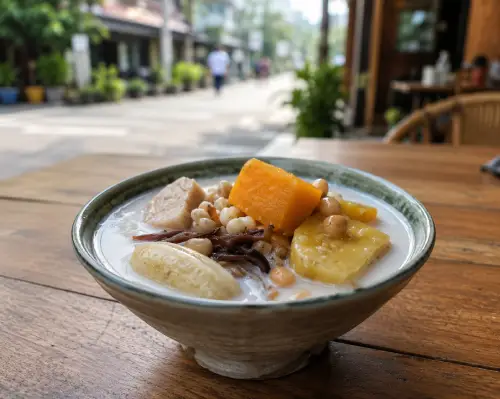
- Chè Hiển KhánhVietnamese Desserts · Historic Chè ShopLocal institution
- Chè Tang ChaoVietnamese Dessertsfacebook.com/chetangchao
- CocotteFrench Comfort Food · Casual · Consistentcocotte.asia
- Cơm Tấm Trần Quý CápVietnamese · Broken Rice · ClassicLocal institution
- Cow Mee InnHong Kong Noodles · Casualfacebook.com/cowmeeinn
- Cục Gạch QuánVietnamese · Heritage Villa · Home-stylefacebook.com/cucgachquan
- Dulce De SaigonBakery · Dessertsfacebook.com/dulcedesaigon
- Iberico Tapas & VinoSpanish · Tapas · Winefacebook.com/Ibericosaigon
- IvoireBakery · Patisseriefacebook.com/ivoirepastry
- Oasis CaféSpecialty Coffeefacebook.com/OasisCafeLeVanSy
- Kowloon BingsuttCantonese · Contemporaryfacebook.com/kowloonsaigon
- Lacàph Coffee BarSpecialty Coffee · Vietnamese Originlacaph.com
- Laang Saigon CentralSpecialty Coffeefacebook.com/LaangSaigon
- Lão Hạc QuánVietnamese · Northern Style · Casualfacebook.com/LaoHacPub
- Le Comptoir Bistro & BooksFrench Bistro · Literary Cafélecomptoirsg
- Maison MarouBean-to-Bar Chocolate · Café · District 1maisonmarou.com
- Marcel Gourmet BurgerCasual · Gourmet Burgersfacebook.com/marcelburgersaigon
- Mặn MòiVietnamese · Southern Home-style · Refinedmanmoi.vn
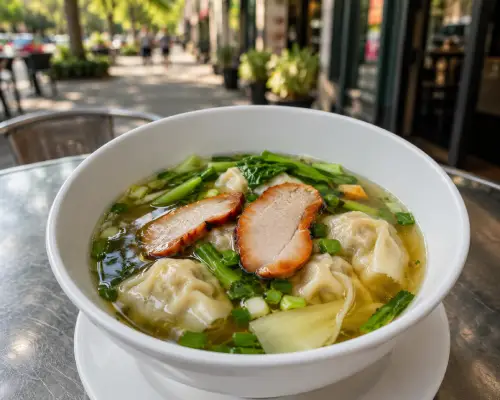
- Mì Sủi Cảo Kon LouVietnamese · Wonton Noodles · TraditionalLocal institution
- Mille MilleBakery · Patisseriefacebook.com/millemillevn
- Nôm Cultural DiningVietnamese · Tasting Menu · Heritagenomdining.com
- Okkio CaffeSpecialty Coffee · Hidden · Design-ledfacebook.com/okkiocaffe
- One RiverModern Asian Fusion · Atmospherefacebook.com/oneriver.eatery
- Oromia CoffeeSpecialty Coffee · Garden · Café-Diningfacebook.com/oromiacafe
- Pacey CupcakesBakery · Cupcakesfacebook.com/paceycupcakes
- Palais des DouceursBakery · French Patisseriefacebook.com/palaisdesdouceurs
- Phở DậuPhở · Southern Style · InstitutionLocal institution
- Phở HòaPhở · Established · Classic BrothLocal institution
- Phở HùngPhở · Reliable · Multiple LocationsLocal institution
- Phở LệPhở · Southern Style · Deep BrothLocal institution
- Phở ThìnPhở · Northern Style · Stir-fried BeefLocal institution
- RanchuJapanese-inspired · Modern · Minimalfacebook.com/ranchusaigon
- Secret GardenVietnamese · Rooftop · Nostalgicfacebook.com/Secretgarden.19lecongkieu
- SH GardenVietnamese · Open Dining · Traditionalshgarden.com.vn
- Sipply CoffeeSpecialty Coffeefacebook.com/sipplycoffee
- Soo CafeCafé · Design-focused · Youthfacebook.com/SoocoffeebakeryPKB
- Tam ThểVietnamese · Contemporary · Casualfacebook.com/tamthecoffee
- Tamba Coffee SaigonSpecialty Coffeefacebook.com/tambacoffee.vn
- Thái PhiênVietnamese · Everyday · Localfacebook.com/15.22cafe
- The Lăng Kính CoffeeSpecialty Coffeefacebook.com/thelangkinh
- The Palm Restaurant & BarContemporary · Design-ledfacebook.com/thepalm.saigon
- The Vagabond PatisserieBakery · Artisan Pastryfacebook.com/thevagabond.saigon
- The WorkshopSpecialty Coffee · District 1facebook.com/the.workshop.coffee
- The Yellow Cup SpecialtySpecialty Coffeefacebook.com/theyellowcup
- Tiệm Bánh Ngọc SángBakery · Vietnamese PastryLocal institution
- Tiệm Mì Tươi Ông Bếp TrưởngFresh Noodles · Broth-focusedfacebook.com/XuanMai82
- Tuan & Tu RestaurantVietnamese-European Fusion · Seasonalfacebook.com/tuanturestaurant
- Vérite PatisserieBakery · French Patisseriefacebook.com/patisserie.de.verite
- Vị Quê KitchenVietnamese · Regional · Home-cookedfacebook.com/viquekitchen
- Yeshi NoodleModern Noodles · Bold Flavorsfacebook.com/yeshinoodle
Sports
Matches, moments, and everything worth watching.

Swimming demands total body coordination, precise breathing, and sustained focus — all at once, in an environment the human body was not built for. At the recreational level it is forgiving. At the elite level it is one of the most demanding disciplines in sport.
The Four Strokes
Freestyle is the fastest — alternating arms, flutter kick, bilateral breathing. Backstroke mirrors it in reverse with no visual reference for the wall. Breaststroke is the slowest and most technical, where arm sweep and frog kick timing determines everything. Butterfly is the most punishing — simultaneous arms, dolphin kick, exceptional shoulder strength required. The individual medley combines all four and is the most complete test of a swimmer.
Where Speed Comes From
Technique matters more than power. Water is 800 times denser than air — inefficiency compounds fast. The fastest swimmers are the most streamlined, not the strongest. A high elbow catch, clean breathing rhythm, and a powerful push-off turn are where races are won or lost.
Demands and Injuries
Elite swimmers train twice daily, up to 80,000 metres a week, starting at 5am. Races are decided in fractions of a second after months of repetition. Swimmer's shoulder — rotator cuff overload — affects up to 70 percent of competitive swimmers. Swimmer's knee targets breaststrokers. Back pain is common in butterfly. All are overuse injuries, building quietly until they can't be ignored.
Life After the Water
Most elite swimmers retire before 30. The structure disappears overnight — and with it, the identity. Loss of routine, weight change, and social dislocation follow. Those who transition best built a life alongside swimming, not entirely inside it. The discipline the sport gives transfers into whatever comes next. The water shapes people in ways that outlast the career.
Women's gymnastics is one of the most exciting sports on the planet. It mixes power, flexibility, dance, and courage into routines that look almost magical — but behind each flip and balance, there's tons of hard work. Governed by the International Gymnastics Federation (FIG), women compete in several disciplines, each with its own style and stars.
The Main Disciplines
Women's Artistic Gymnastics (WAG)
The Olympic superstar discipline. Girls compete on four events. Vault is a fast sprint, a big jump onto the springboard and vault table, then a strong, stable landing — all about speed and courage. Uneven Bars involves athletic swings, handstands, and releases between the high and low bars, like a flying dance. Balance Beam puts gymnasts on a 10cm-wide beam where they execute flips, turns, and balances like walking a tightrope. Floor Exercise combines tumbling passes with dance and music on a 12m × 12m mat.
Rhythmic Gymnastics
Women-only at the elite level. Girls perform with music and one or more hand apparatus — hoop, ball, clubs, ribbon, or rope. It's all about grace, flow, and perfect timing with the music.
Trampoline and Tumbling
Girls bounce high on a trampoline, doing double and triple flips, and sprint down a springy track for fast tumbling passes. It feels like flying.
Acrobatic Gymnastics
Pairs or groups balance each other, lift teammates, and throw them into the air. A team sport where trust, strength, and timing are everything. Women also train and compete in aerobic gymnastics, parkour, and "Gymnastics for All" programs that let athletes of all ages join in.
How Hard Do Elite Gymnasts Train?
For young girls who dream of going pro, the path starts early — often around ages 5–7, with serious training kicking in by 8–10. Many top athletes train 6–7 hours a day, 6 days a week, sometimes splitting into morning and afternoon sessions. Simone Biles has spoken about training around 7 hours a day with only Sundays off.
Recent studies of youth artistic gymnasts show that training loads can vary significantly week to week, with big jumps in difficult elements and high-impact skills as a major competition approaches. This is why coaches and sports scientists now closely monitor fatigue, soreness, and recovery.
The Physical and Mental Side
Injuries and the Body
Gymnastics is one of the highest-risk sports for injuries. Studies show that over 90% of elite WAG gymnasts sustain at least one injury per season, with rates between 1.8 and 3.9 injuries per 1,000 training hours — higher still in competition. Common problems include sprains, stress fractures, ankle and knee issues, and back pain.
The Female Athlete Triad — where low energy (often from insufficient food intake), irregular or absent periods, and weakened bones appear together — is a real risk for gymnasts who train very hard and stay very lean.
Mind, Emotions, and Growing Up
Young gymnasts face pressure to perform perfectly in front of judges and large crowds. They often train through soreness, minor injuries, and fear of falling. Early specialization can make it hard to enjoy normal school life and friendships, so many training centers now offer more balanced schedules, mental-health check-ins, and life-skills classes.
Retirement can be emotionally tough, since many gymnasts define themselves as "gymnasts" first — losing that identity is disorienting. Top programs now help athletes plan for life after gymnastics, including school, careers, and other sports.
The Bigger Picture
Women's gymnastics is beautiful because it shows how strong, flexible, and brave girls can be. A perfect beam routine, a clean floor pass, or a flowing ribbon performance can stop your heart — but those moments are bought with years of training, falls, sore muscles, and real sacrifice.
For all its shining moments, gymnastics is a story of extraordinary endurance. For many, it is still worth it. The sport teaches discipline, focus, body confidence, and teamwork. When you watch a top gymnast hit a flawless routine, you are seeing human potential at its most dazzling extreme.
Pickleball has grown quickly, but it's important to see it alongside — not above — tennis, table tennis (ping pong), and badminton. Those sports are generally more physically demanding and technically complex, while pickleball is built to be far more accessible for beginners.
Why the Others Are Harder
Tennis is played on a large court (78 × 27 feet for singles), requiring long runs, strong endurance, and precise timing on a fast, high-bouncing ball. Serving and long rallies test both physical and mental stamina.
Table tennis fits on a small table but demands extreme hand-eye coordination, rapid reflexes, and fine motor control under very short reaction windows. Spin, speed, and placement separate novice from expert.
Badminton features the fastest recorded smash in racket sports (well over 200 mph) and uses a shuttlecock with complex aerodynamics, producing rapid deceleration and unpredictable flight. This calls for explosive power, vertical jumps, and refined overhead technique across a full-sized court.
Why Pickleball Feels Easier
Pickleball is designed for accessibility. The court is small (44 × 20 feet), movement demands are lower, and the perforated ball moves more slowly with reduced bounce. The underhand serve is simple to learn, doubles play is standard, and rallies are often short, letting beginners rally and enjoy the game quickly.
At higher levels, pickleball develops its own technical depth — dinks, third-shot drops, tight net play, and strategy — but it still sits below the all-round physical and technical thresholds of tennis, table tennis, and badminton.
How Big Is Pickleball Really?
Pickleball's growth has been dramatic. In the U.S., participation has surged from near-nothing to estimates of 20–24 million players in just a few years, with some recent surveys showing more people playing pickleball monthly than tennis in specific periods.
Tennis still has a much larger long-term player base (around 25–27 million in the U.S.), a global tour, four Grand Slams, and deep coaching and facility networks. Table tennis and badminton are smaller in many Western countries but remain major global disciplines with Olympic status, established federations, and deep technical traditions.
The wrist plays an important role in all three racquet sports, but its usage varies significantly depending on each sport's technical demands, racket weight, ball or shuttle speed, and stroke mechanics. One principle holds across all three: the wrist is not the primary power source, and using it as one is among the most common technical mistakes in each discipline.
What All Three Have in Common
Power should come from larger muscle groups — legs, core, shoulders, and forearms. Overusing the wrist is one of the most common causes of wrist pain, tendonitis, and elbow-related injuries across all three sports. A relaxed grip rather than a tense one allows for better feel, smoother acceleration, and quicker adjustments. And in all three, timing is critical — the wrist should activate at the correct moment, not remain active throughout the entire stroke.
How the Wrist Differs Across Each Sport
| Aspect | Tennis | Table Tennis | Badminton |
|---|---|---|---|
| Wrist Role | Mostly stable at impact | Very active for spin generation | Highly active for speed and deception |
| Wrist Action | Stays "cocked" (laid back) with minimal flipping at contact | Quick snaps and flicks create spin and angle | Fast snap + forearm pronation generates power and disguise |
| Primary Power Source | Body rotation and full kinetic chain | Forearm and body rotation; wrist adds spin | Forearm rotation, wrist action, and finger power |
| Wrist Dominance | Least wrist-dominant | Moderately wrist-dominant | Most wrist-dominant |
| Racket Weight Effect | Heavier racket requires wrist stability | Light racket allows freer wrist movement | Extremely light racket enables explosive wrist speed |
| Common Beginner Mistake | Flicking at impact, reducing control and power | Overusing the wrist without proper body support | Using only the wrist without forearm rotation |
| Common Injuries | Tennis elbow, wrist instability | Wrist tendonitis | Wrist strain and overuse injuries |
The Core Principle
Tennis: the wrist acts as a stable link in the kinetic chain. Excessive wrist movement reduces power, consistency, and accuracy. Table Tennis: the wrist is a precision tool for spin and racket-angle control, working best when coordinated with the forearm and body. Badminton: the wrist is a major speed generator — because of the ultra-light racket and rapid pace, wrist action is far more active and explosive than in tennis.
Across all three: the larger muscles do the heavy work. The wrist refines movement, directs the shot, and adds spin, speed, or deception. Using it as the primary engine reduces performance and raises injury risk — in every racquet sport, every time.
Thirty years ago, golf in Vietnam was almost invisible — a niche activity associated with foreign diplomats, overseas businessmen, and a very small elite class. Modern commercial golf culture only truly began after Đổi Mới, the country's post-reform economic opening. The sport most Vietnamese people once viewed as distant and exclusive has quietly become one of the country's fastest-growing industries.
The 1994 Foundation
The turning point came with two historically important clubs near Saigon. Song Be Golf Resort is widely recognized as Vietnam's first international-standard championship course — it included one of the country's earliest modern driving ranges and helped establish organized golf culture in the South. That same year, Vietnam Golf & Country Club was established and later became Vietnam's first 36-hole club. Located close to central Saigon, it developed into one of the country's most important early golf centers. These two clubs shaped modern Vietnamese golf at a time when the local community was still extremely small.
The Growth Era
By the late 1990s and early 2000s, golf expanded through business circles, expatriate communities, and tourism. Driving ranges — Rach Chiec, Him Lam, and Ky Hoa in Saigon — introduced many local players to the sport for the first time. Over the past two decades, Vietnam has invested heavily in golf infrastructure and resort development. Ba Na Hills Golf Club, Hoiana Shores, The Bluffs Ho Tram Strip, and Laguna Golf Lang Co have received international praise for design and scenery, with courses designed by Greg Norman, Nick Faldo, and Luke Donald. In many ways, Vietnam's course development has progressed faster than its player development — but respected golfers like Trần Lê Duy Nhất and young talent Nguyễn Anh Minh have helped raise the country's regional profile.
Access, Tourism, and Challenges
Golf academies, simulators, and practice facilities have expanded rapidly in Saigon, Hanoi, and Da Nang, giving younger Vietnamese players far more access than previous generations. Golf tourism has become increasingly tied to Vietnam's luxury hospitality industry, attracting visitors from South Korea, Japan, Singapore, Australia, and Europe. Challenges remain: the sport is still expensive for most Vietnamese families, public-access facilities are limited, and developing world-class players requires decades of investment in coaching and youth development.
Lilia Vu and Vietnamese Pride
Vietnam is still searching for its first globally dominant golfer representing the country directly — but one golfer of Vietnamese heritage has already reached the top. Lilia Vu, born in the United States to Vietnamese immigrant parents, became one of the biggest stars in women's golf after winning two major championships in 2023 and reaching World No. 1 in the LPGA rankings. She represents the United States internationally, but many Vietnamese people around the world viewed her success with pride. Vietnam may still be early in its golf journey, but the foundation built since 1994 is becoming increasingly difficult to ignore.
Journal
Personal notes, stories, and thoughts.

Walk into almost any optical store and you'll see dozens — sometimes hundreds — of frames staring back at you. Ray-Ban, Oakley, Prada, Chanel, Versace, Coach, and countless others. They look like competitors. They feel like choice. In reality, much of what you see funnels back to a remarkably concentrated industry where production costs are tiny, markups are enormous, and genuine competition is more limited than it appears.
Manufacturing Reality: One Country, A Few Hubs
China produces the overwhelming majority of the world's eyeglass frames — consistently estimated at over 90% of global output, concentrated in four key hubs. Danyang dominates lens production, making over 400 million pairs annually and holding roughly 50% of the global lens market. Wenzhou, Shenzhen, and Xiamen handle massive volumes of frames and sunglasses. Even premium "Made in Italy" or "Made in America" designer frames frequently start as components from Chinese factories before final assembly and branding elsewhere. A handful of genuinely independent premium makers — Lindberg in Denmark, Mykita in Germany — still produce outside China, but they are niche exceptions in a sea of volume-driven supply.
This extreme geographic concentration creates enormous economies of scale — which should, in theory, drive prices down. Instead, those low costs become the foundation for extraordinary profits higher up the chain.
The Brand and Retail Bottleneck
At the top sits EssilorLuxottica, the merged Italian-French giant. The company maintains a portfolio of more than 150 brands — owned names like Ray-Ban, Oakley, Persol, and Oliver Peoples, plus extensive licensing deals with luxury fashion houses. It also controls major retail chains including LensCrafters, Sunglass Hut, and Pearle Vision, and runs vision insurance through EyeMed. Recent estimates place EssilorLuxottica's global market share at roughly 20–28%, significantly higher in premium segments, lenses, and certain regional markets.
The result is what critics call an illusion of choice. Walk down an aisle lined with "competing" designer brands, and many are designed, licensed, manufactured, distributed, and retailed by entities ultimately tied back to the same few players.
The Markup Machine
The economics are stark. High-quality frames can be produced for as little as $4–15. Quality lenses add another modest amount. Yet retail prices routinely hit $200, $400, $800 or more — especially once premium coatings, progressives, and brand names are added. Markups of 500–1,000% are common in the traditional retail channel. These prices are sustained by branding, heavy marketing, licensing fees, retail overhead, insurance complexities, and limited transparency. Consumers rarely see the disconnect between manufacturing reality and shelf price.
Cracks in the System
The status quo is not unchallenged. Direct-to-consumer disruptors — Warby Parker, Zenni Optical, and others — have captured meaningful share by cutting out middle layers, pricing transparently, and offering home try-on. Online shopping and mass retailers like Costco and Walmart have given consumers more realistic alternatives. Yet for most people, the default path through insurance networks, familiar retail chains, and big brands still leads back to the concentrated ecosystem.
Seeing Clearly
The eyewear industry exemplifies a broader pattern in consumer goods: globalization enables rock-bottom production costs, while consolidation in branding, distribution, and retail converts those savings into high margins rather than lower prices. Consumers are not powerless — shopping around, considering house brands or online options, questioning insurance "preferred" networks, and supporting genuine independents can push back against the markups. But the structural realities explain why a pair of glasses often feels like a surprisingly expensive purchase in the 21st century. The frames may be cheap to make. The price you pay tells a very different story.
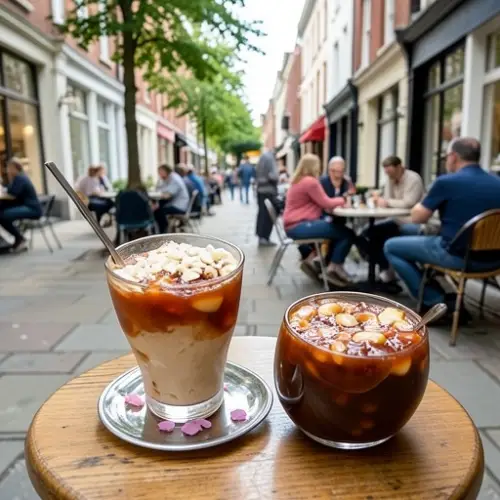
Convenience drives modern lifestyles, but the explosion of sugar-laden drinks in cafes and chains is fueling a public health crisis. Despite marketing hype around "healthy" options, sugary beverages remain dominant, prioritizing speed and trends over nutrition.
The Ubiquity of Sugar-Heavy Drinks
Fast cafes thrive on quick, indulgent drinks like bubble tea, iced coffees with syrups, and "dirty sodas" mixed with creamers. Globally, the sugar soft beverage market hit around $200 billion in 2023, projected to reach $280 billion by 2032 at a 3.8% CAGR, dwarfing sugar-free alternatives at $7.9 billion in 2022.
In Vietnam, where urban hustle amplifies the issue, chained cafes number in the thousands alongside independents, with Saigon alone hosting thousands of bubble tea shops. Starbucks reached 150 stores nationwide by early 2026, many pushing massive sugary Frappuccinos, while Chinese bubble tea giant Mixue boasts over 46,000 global outlets.
Health Toll of Daily Indulgence
Excess sugar from these drinks — often via high fructose corn syrup (HFCS) — spikes risks for obesity, type 2 diabetes, heart disease, fatty liver, and inflammation. Fructose metabolism burdens the liver, turning into fat and raising uric acid levels linked to hypertension and gout.
Vietnam mirrors global patterns: sugary drinks contribute to rising non-communicable diseases amid rapid urbanization. A 2026 NTU study found most beverage shop drinks exceed requested sugar levels, making "light" orders deceptive.
The Myth of Balanced Demand
Claims of a split between high-sugar exotics and low-sugar alternatives overstate the shift. Sweeteners markets are booming at $89.95 billion in 2025 (to $126 billion by 2033), while natural sweeteners lag at $27 billion.
Vietnam's juice and smoothie bars total just 1,089 nationwide in recent counts, versus 14,000+ cafes. Brands like Smoothie King or Nékter offer real fruit but lack the footprint of bubble tea hubs. Low-sugar options exist via supermarkets (e.g., Schweppes zero-sugar soda, Vinamilk Probi Light), but they're not the grab-and-go cafe norm.
Marketing's Cool Illusion
Trends like boba and oversized lattes sell via social media aesthetics, masking 500+ calorie bombs. "Exotic flavors" and bright colors boost margins, as chains expand iced specialties despite health warnings. Vietnamese consumers seek low-sugar options (e.g., Nasami's reduced-sugar coffee), but availability trails hype — majority spots prioritize powder and cream mixes for speed.
Counting the Real Cost
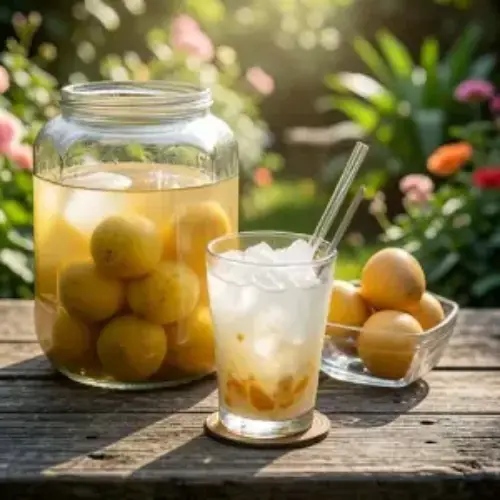
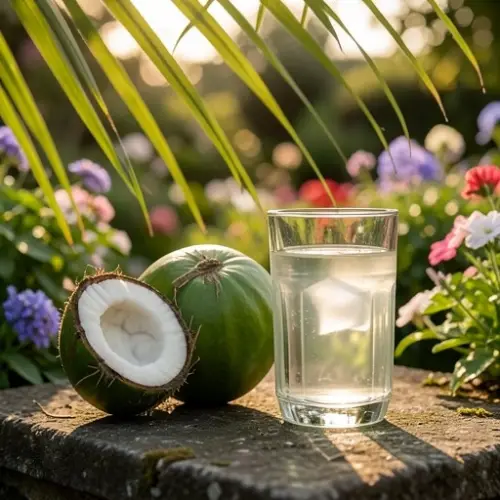
For every juice bar, dozens of sugary cafes line streets. Real fruit chains like Robeks or Clean Juice are niche; everyday access favors sugar. Policymakers push sugar-sweetened beverage taxes globally, but without curbing cafe proliferation, the problem persists. Opt for water, unsweetened tea, or home fruit infusions — your body will thank you.
Vietnam's national health insurance (NHI), often labeled BHYT in Vietnamese, is a state-run social insurance scheme that partly or fully reimburses eligible medical examination and treatment costs for participants. The level of coverage depends on the beneficiary group, the type of care, and whether services are within the official Ministry of Health list and price ceiling.
1. Main Coverage Levels from 2025
From 2025, beneficiaries are grouped into three main reimbursement tiers:
100% coverage: People with "meritorious contributions to the revolution", veterans, the poor, those aged 80 and above, children under 6, and individuals who have participated in national health insurance continuously for 5 years or more (under certain conditions) receive 100% coverage of eligible medical examination and treatment costs within the official price list.
95% coverage: Pensioners, people receiving "lost-capacity" allowances, family members of people with revolutionary merits, and near-poor households are covered at 95% of eligible costs, paying 5% copayment plus any non-list charges.
80% coverage: Other participants (employees, civil servants, public employees, and voluntary groups) receive 80% coverage of eligible costs, paying 20% copayment as well as any additional charges outside the official list.
2. Care Outside the Registered Network (Out-of-Network)
In Vietnam's system, patients must register a primary care or referral facility; going outside that network without proper referral is treated as out-of-network care and reduces the reimbursement rate.
Outpatient out-of-network: For outpatient visits at higher-level or central hospitals without a referral, national health insurance no longer pays anything; the patient must pay 100% of the covered and non-covered costs.
Inpatient out-of-network: If the patient is admitted, the fund still covers 40% of eligible costs within the official value, while the patient pays 60% of that portion plus all non-list charges.
Certain exceptions — such as emergencies, serious diseases, or minority-ethnic patients in disadvantaged areas — may still receive higher or full coverage even when treated outside the registered network.
3. National Health Insurance and Private Clinics / Hospitals
Many private multi-specialty clinics and hospitals (for example, FV Hospital, Vinmec network providers) have signed contracts as national health insurance facilities and are recognized as eligible referral points. Patients can use their national health insurance cards there, but the fund only pays for services, drugs, and materials listed by the Ministry of Health and only up to the official price ceiling.
Premium rooms, private WiFi, special meals, and extra-comfort services are considered "non-list" charges and must be paid in full by the patient. Non-listed medicines, tests, or devices (even if medically necessary) are not reimbursed unless specifically included in pilot or expansion schemes.
4. "Service-Level" Consultations and Insurance Coverage
From 1 July 2025, the amended national health insurance law and related regulations allow people to use their insurance even when choosing "service-level" consultations (extra-fee, fast-track, or expert-track appointments), as long as the services are within the official list and prices. However, the fund only reimburses the government-set price for that service, not the higher "service" fee.
What the fund pays: The system covers 80%, 95%, or 100% of the official price for the same service (consultation, test, medicine, bed), depending on the beneficiary group.
What the patient pays: The patient must pay the full difference between the hospital's quoted "service" price and the official price, plus the copayment on the official amount and all non-list charges.
For example, if the officially recognized consultation price is 50,000 VND and the hospital charges 300,000 VND for "service" access, the fund will pay its percentage of 50,000 VND, while the patient pays 250,000 VND plus the copayment share.
5. When Service-Level Care Is Still Covered
Extra-fee or fast-track appointments at public hospitals are still eligible for reimbursement at the official price; the patient pays only the premium spread. Whether in "normal" or "service" mode, the national health insurance scheme covers listed drugs and technical services (blood tests, CT, MRI, etc.) at the standard ceiling price; the patient covers any extra charge above that ceiling. The fund pays the standard ward price for inpatient care; the patient pays the premium for upgraded rooms and extra amenities.
6. When Insurance Does Not Pay (Key Exclusions)
There are around 12 main statutory cases where the national health insurance fund does not reimburse any costs, even if the patient chooses "service-level" care: costs already fully paid from the state budget (e.g., national vaccination programs); convalescence or spa-type care; medical-fitness certificates (for school, work, driving, or overseas labor); non-therapeutic pregnancy checks; most assisted reproductive services and induced abortions (except for medical indications); cosmetic procedures; refractive-error correction for people over 18; external prostheses unless explicitly covered under special schemes; care during disasters under special government rules; treatment for substance dependence; forensic and legal-medical examinations; and clinical trials or research-protocol treatments.
Self-referral to central-level hospitals for outpatient service-level visits is also outside coverage: the patient must pay 100% of examination, drug, and service costs.
7. Key Takeaways for Patients
To maximize benefits, patients should register a primary care facility, follow proper referral procedures, and choose only services within the national health insurance-approved list and price ceiling. Local lists of participating clinics and hospitals can be checked on the Vietnam Social Security (VSS) portal or provincial health department websites.
In short, "service-level" care allows higher-quality or more convenient treatment while still using the national health insurance scheme to partly cover core medical costs, but it does not remove out-of-pocket expenses and can significantly raise total payments if many non-list or premium services are chosen.
In the intricate tapestry of global health, Vietnam emerges as a compelling study in progress and paradox. The Vietnamese healthcare system, a fascinating hybrid of public and private endeavors, operates under the discerning eye of the Ministry of Health, striving for an ideal where comprehensive care is not merely an aspiration but a tangible reality.
Remarkably, Vietnam has achieved a near-universal embrace of health insurance, with coverage rates soaring to approximately 93.35% by late 2023 and an impressive 94.2% in 2024. This places the nation at the forefront in Asia, a testament to strategic policy and dedicated implementation. Yet, beneath this veneer of success lie complex dynamics that shape the daily experiences of millions.
The Architecture of Wellness: A Four-Tiered Foundation
The infrastructure supporting Vietnam's health initiatives is meticulously structured, a four-tiered hierarchy designed to ensure accessibility from the most remote villages to the bustling metropolises.
The Commune Level provides essential primary care, vital vaccinations, and fundamental hygiene education — the bedrock of community health. District hospitals elevate the scope of care, offering more sophisticated diagnostics and inpatient services. Provincial medical centers serve as regional hubs, delivering specialized consultations for more intricate health conditions. At the pinnacle stand national institutions such as Hanoi's Bach Mai and Saigon's Cho Ray hospitals — tertiary centers housing the nation's most advanced medical expertise.
Public hospitals, often the sole recourse in rural expanses, bear the brunt of patient volume. Their dedication is undeniable, yet they frequently grapple with overcrowding, equipment that yearns for modernization, and a perennial shortage of skilled personnel. In stark contrast, the private sector flourishes within urban centers, presenting an alternative defined by contemporary amenities, multilingual staff, and reduced wait times — a luxury accessible to those with the means.
The Unseen Costs: Navigating the Labyrinth of Healthcare Finance
Despite impressive insurance penetration, the financial landscape of Vietnamese healthcare is fraught with complexities. Out-of-pocket expenditures remain a significant concern, constituting nearly 39.6% of total health spending in 2020 — starkly contrasting with the global average of approximately 16.3%.
The urban-rural divide further exacerbates these disparities. Elite specialists and state-of-the-art facilities are predominantly concentrated in urban hubs, leaving remote areas underserved. This geographical imbalance often compels patients to bypass local care, journeying to overcrowded central hospitals in pursuit of perceived superior treatment.
Underfunding within the public sector compels hospitals to lean heavily on user fees and insurance reimbursements. This financial model can inadvertently foster a competitive environment where institutions prioritize revenue generation — potentially leading to recommendations of unnecessary diagnostics or prolonged treatments. The referral system, intended to streamline care, paradoxically contributes to the congestion at higher-level facilities.
The Shadow Economy of Care: Hidden Burdens on Patients
Beyond the official tariffs, patients frequently encounter hidden or indirect costs that amplify their financial burden. Informal payments to staff can expedite services or secure preferential treatment. The drive for revenue can manifest in recommendations for additional diagnostics or extended hospital stays. The sheer duration of wait times translates into tangible losses: lost wages, travel and accommodation costs for families, and invaluable caregiver time. Medications, medical supplies, or extended stays may not be fully covered by insurance, compounded by significant markups on in-hospital pharmacy items.
These costs disproportionately impact low-income individuals, risking financial catastrophe, leading to the abandonment of crucial treatments, and deepening existing inequities.
A Global Perspective: Medical Tourism and Expatriate Healthcare
Vietnam's burgeoning reputation as a destination for medical tourism is undeniable. Its appeal lies in the confluence of competitive pricing and the presence of high-quality private facilities, some of which boast prestigious Joint Commission International (JCI) accreditation. For expatriates, the choice often gravitates towards international hospitals like Vinmec and FV Hospital, which uphold global standards of care.
The Vision of an Ideal State
Vietnam's healthcare narrative is one of dynamic evolution, marked by significant achievements in expanding insurance coverage and enhancing access. Yet, the persistent challenges of elevated out-of-pocket costs, overcrowding in central facilities, and the uneven distribution of quality care underscore the ongoing imperative for reform. A truly equitable and advanced healthcare system would transcend the current challenges — ushering in an era where well-being is inherent, financial anxieties are obsolete, and every individual possesses the autonomy to choose their path to healing.
[1] VietnamPlus. "Vietnam's health insurance coverage reaches 93.35%."
[2] P4H Network. "Vietnam Health Insurance Coverage 2024."
[3] MedicalTourism.vn. "Healthcare in Vietnam: A Guide for Expats and Medical Tourists."
[4] PMC. "Out-of-pocket health expenditure in Vietnam." / World Bank. "Vietnam Health Sector Review."
[5] VOV World / VIR. "Digital transformation and electronic medical records in Vietnam's healthcare sector."
For a quick trip to Saigon, location ends up being the biggest factor in how the experience actually feels. On a map, the city looks manageable, but the reality of the traffic, humidity, and sudden downpours changes the math. Distances that look short often turn into thirty-minute slogs, and walking more than a few blocks in the midday heat isn't really sustainable.
District 1 is usually the default for a reason. Having the cafes, restaurants, and main sights within a small radius saves a lot of energy. It's much easier to duck into a spot with AC for a quick break when everything is concentrated in one area.
The edge of District 3 is a solid alternative for anyone wanting a bit more breathing room. It's still central enough to be practical, but the streets feel a bit leafier and the pace is slightly less frantic, with more boutique studios tucked away in the side streets.
Other spots like Phú Nhuận or Bình Thạnh offer a more local feel and better prices, but the trade-off is the commute. Relying on rides to get in and out of the center takes a toll when time is tight. District 5 is another interesting one—it's packed with old landmarks and incredible Chinese-influenced food—but it's a bit too far out to be a convenient home base for a short stay.
Thảo Điền in District 2 is another popular choice, but being across the river means every trip into the city center involves a bridge that gets notoriously backed up. It's a great area for a long-term stay, but maybe not for a three-day visit.
Saigon can be a very physical city. The heat and the humidity build up quickly, and the rainy season can halt plans without warning. Staying central just keeps things simple. It cuts down the friction and leaves more time for actually seeing the city rather than just moving through it. In a place like this, convenience is usually what provides the most freedom.
Entertainment
What to do, where to go, what to see.

Miranda Priestly doesn't lose. Not even to video game fighters.
Over the Mother's Day weekend of May 9–11, 2026, The Devil Wears Prada 2 held firm at number one, grossing $43 million domestically in its second frame — a remarkably strong 45% drop from its $76 million debut. The fashion sequel's domestic total now stands at $145 million, and its worldwide haul has reached $433 million in just twelve days, already surpassing the original 2006 film's entire global run of $327 million.
Meryl Streep returns as Miranda Priestly alongside Anne Hathaway's Andy Sachs and Emily Blunt as Emily Charlton, now turned rival. The film sharpens its satire for a social-scrolling era, and audiences have rewarded it — an A− CinemaScore, strong word-of-mouth, and a female-dominated crowd that came back for seconds. Disney is now past $2 billion globally for the year.
Mortal Kombat II Opens at #2
The weekend's biggest newcomer, Warner Bros.' Mortal Kombat II, opened at $40 million — a close race but ultimately second. Karl Urban leads as Johnny Cage, and the $80 million production earned a $63 million global opening weekend. A B CinemaScore and mixed reviews suggest a steeper drop ahead, though fan enthusiasm for the franchise is real.
Michael Holds Firm at #3
Lionsgate's Michael Jackson biopic Michael claimed third at $36.5 million despite ongoing controversy, a scant 33% drop from last weekend that signals genuine staying power.
Weekend Box Office — May 9–11, 2026
| Rank | Film | May 9–11 Weekend |
|---|---|---|
| 1 | The Devil Wears Prada 2 | $43M |
| 2 | Mortal Kombat II | $40M |
| 3 | Michael | $36.5M |
| 4 | The Sheep Detectives | $15.9M |
| 5 | Billie Eilish Concert | $7.5M |
| 6 | The Super Mario Galaxy Movie | $6.6M |
| 7 | Project Hail Mary | $6.1M |
| 8 | Hokum | $3.3M |
| 9 | Deep Water | $780K |
| 10 | Animal Farm | $664K |
The overall weekend is up 88% from the same period in 2025. Fashion, it turns out, has excellent legs.
A State of Trance (ASOT), the trance brand built by Dutch DJ Armin van Buuren, is making its Vietnam debut on June 13, 2026, at Van Phuc City in Saigon. The event marks the brand's 25th anniversary and is the only Southeast Asian stop on the run — a significant moment for the region's electronic music scene.
Armin van Buuren and Trance
Armin van Buuren has been one of the defining figures in trance since the early 2000s, building ASOT through a weekly radio show that launched in 2001 and went on to become one of the most-listened-to DJ broadcasts in the world. Trance sits at 125–150 BPM — faster and more melodic than most EDM subgenres, built around euphoric builds, layered synths, and emotional peaks that distinguish it from the harder edges of techno or the mainstream simplicity of commercial house.
From Rave Culture to EDM
The roots go back to the rave scene of the 1990s and early 2000s — underground all-night events shaped by the PLUR ethos (peace, love, unity, respect), strobes, and a sense of communal energy that felt deliberately outside the mainstream. By the 2010s, that world had been repackaged. "Rave" became "EDM," festivals like EDC scaled into stadium-sized productions, and the underground aesthetic gave way to something far more commercial. ASOT has always occupied a middle ground — large enough to fill arenas, but rooted in a genre with genuine musical depth.
Lineup and Details
Headliners include Armin van Buuren, Ferry Corsten, Ruben de Ronde, Agents Of Time, Ben Gold, and Bryan Kearney. The event is 18+ and ID is required. Tickets and updates at festival.astateoftrance.com/vietnam.
Good news for Oscar purists tired of AI-generated "slop"? Not quite. The Academy of Motion Picture Arts and Sciences has updated its rules for the 99th Oscars (set for 2027), banning fully AI-created acting performances and screenplays in key categories. But this isn't the sweeping prohibition headline-grabbers hoped for — it's a targeted tweak that leaves plenty of room for generative AI in Hollywood.
The Rules: Targeted, Not Total
Ahead of next year's ceremony, the Academy rolled out changes including multiple nominations per actor in one category and multiple entries per country for Best International Feature. The AI stance steals the spotlight, though.
Acting Awards: "Only roles credited in the film's legal billing and demonstrably performed by humans with their consent" qualify. No deepfake leads.
Writing Awards: Screenplays need an explicit human credit and must be "human-authored" — no pure AI scripts.
AI gets a green light elsewhere. Page 4 of the rulebook explicitly allows it in "digital tools used in the making of the film," which won't boost or sink nomination chances. Full AI actors are banned, but VFX de-aging or upscaling sails through. Script assistance falls into a gray area as long as human credit is required, and categories like animation or songs remain unaffected. The Academy reserves the right to scrutinize "the degree to which a human was at the heart of the creative authorship."
Debate Rages: Half-Measure or Smart Compromise?
The fudge factor has artists split. Some hail it as a win against AI overreach; others call it "performative signaling" that ignores background roles or subtle script tweaks. The skeptics are blunt: it only removes purely generated movies that were never going to win anyway. AI can take all the background roles sans scripting and still win.
Enforcement skeptics abound. If a human refines an AI-generated draft, how's that detected? Tools like watermarking exist, but they're no silver bullet. AI fans cry "anti-innovation" and "institutionalized bio-elitism," arguing it protects egos over progress. Yet precedents show AI thriving: Respeecher polished Adrien Brody's accent in The Brutalist (2025 Best Actor winner), while de-aging graced Tom Hanks in Here and Harrison Ford in Indiana Jones and the Dial of Destiny.
The Bigger Picture: Audiences, Not Awards, Decide
A full ban would stifle tools now essential for outpainting, backgrounds, and effects — limiting filmmakers amid broad AI adoption. The real test? Viewer tolerance. Obvious AI distracts; invisible integration elevates. As AI embeds deeper, expect fights over crediting it in pipelines.
The Academy's flexible line draws a prestige boundary, preempting techbro pitches for AI stars. It won't kill AI in cinema, but it ensures Oscars reward human spark.
Filmmaking has always been beautiful chaos — the endless takes, the stubbornness required to turn a half-formed idea into something that hits people hard on a 70-foot screen. Then AI arrived. No fanfare. Just a quiet force rewiring how stories get conceived, shot, and sent into the world.
Speed That Costs Something
What once took weeks now takes days. A script goes in, ten variations come back before the coffee cools. Scenes get visualized without location scouts. Editing, color grading, sound design — work that filled whole departments now gets fine-tuned rather than built. Useful, especially on tight budgets. But when the barrier to making something collapses, the question stops being can I make this and becomes why would anyone watch this instead of the thousand other things made the same way this week.
Endless Options, Familiar Results
AI can rework a scene a dozen ways for next to nothing. That should lead somewhere interesting. It often doesn't. These systems are trained on what already worked — so they reproduce familiar patterns. The tropes multiply. The unexpected spark that makes a film feel alive rather than assembled gets harder to find.
Data as the Invisible Producer
Streaming platforms track everything — where audiences pause, where they leave, what they rewatch. Feed that back into development and scripts start bending toward retention metrics. Funding follows forecasts instead of instincts. Authority quietly moves away from people with something to say, toward systems measuring how audiences already behave.
What Actually Disappears
VFX artists, editors, writers — roles are shrinking or changing beyond recognition. Faster timelines, smaller crews, and a creeping visual sameness that comes with everyone pulling from the same tools. The Academy has started drawing lines around AI's role in awards eligibility. A reasonable attempt to separate what the technology produces from what a human perspective chooses to make.
What Stays
The decision of what story to tell, and why it matters — that doesn't get automated. In a landscape where almost anything can be generated, intention is the differentiator. Cinema isn't dying. It's moving faster than ever, in more directions at once, and the question of who's actually steering it has never been more open.
Saigon is the real center of Vietnamese film culture. Not because every great film is made here, but because this is where the industry connects: the stars live here, the producers work here, and the commercial pulse of the market is strongest here.
Before 2000, Vietnamese cinema was still a small world. The shift accelerated after The Rebel (Dòng Máu Anh Hùng), which proved that local films could be ambitious, stylish, and commercially viable at the same time. The conversation moved from can Vietnamese films work to how big can this get.
Since then, Saigon has been the hub. BHD, Galaxy, CGV, Lotte, Chánh Phương Films, Studio 68, and CJ HK Entertainment all sit inside the same ecosystem of production, exhibition, and release strategy. A film in Vietnam doesn't just need to be good — it needs screens, timing, and a release strategy that can survive the competition.
Directors, actors, producers, and cinema operators are all part of the same machine now. Charlie Nguyen defined the early commercial leap. Victor Vũ brought precision and prestige. Hàm Trần added genre confidence. Phan Gia Nhật Linh, Leon Lê, Bùi Thạc Chuyên, and others represent different parts of the ecosystem, from mainstream crowd-pleasers to more personal projects.
The actors matter just as much. Trấn Thành and Trường Giang are event-makers, not just stars. Thu Trang has become a serious creative force. Thái Hòa remains one of the most reliable screen actors in the country. Ngô Thanh Vân, Hồng Ánh, Dustin Nguyen, and Johnny Trí Nguyễn helped shape the modern image of Vietnamese film long before the current wave arrived.
The newer generation — Kaity Nguyễn, Phương Anh Đào, Liêu Bỉnh Phát, Tuấn Trần, Uyển Ân — is more fluent, more media-savvy, and not simply following the old model of stardom. They're helping redefine it.
Saigon's film world is no longer a side story inside Vietnamese culture. It's the main engine of the country's commercial cinema — and that shift is the biggest reason the industry feels so much larger than it did a generation ago.